Unraveling "Stipendio Docenti Marzo": Beyond the Digital Noise
In the digital age, a simple search query like "stipendio docenti marzo" (teachers' salaries March) can lead down unexpected and often unhelpful paths. While the intent is clear – to find specific financial information for Italian educators for a particular month – the web context can sometimes be a labyrinth of irrelevant data. Our initial search context perfectly illustrates this peculiar challenge, pointing to scraped Facebook login or footer pages that contain absolutely no pertinent information regarding teacher salaries. This phenomenon highlights a crucial aspect of online information retrieval: the need to discern reliable sources from digital flotsam. "Stipendio Docenti Marzo" refers to the salary payment received by teachers in Italy during the month of March. For educators, understanding the components of their pay, any potential adjustments, or indeed, the general structure of their compensation, is vital for financial planning and professional satisfaction. However, as we've seen, merely typing this phrase into a search engine isn't always enough to yield the specific, authoritative answers required. The journey to truly understand teacher compensation in Italy begins by bypassing these digital dead ends and focusing on established, credible avenues for information.Why Your Search Might Lead Astray: The Case of the Misplaced Context
The digital landscape is vast, and search engines, while powerful, rely on algorithms that can sometimes return results based on keyword density or site popularity rather than direct relevance to a specific query, especially when the context is highly specialized.The Irrelevance of Social Media Footers for Salary Data
As the provided reference context plainly indicates, encountering Facebook login or footer pages when searching for "stipendio docenti marzo" is a prime example of a search leading astray. It's fundamentally illogical to expect detailed salary information for public sector employees on the navigational elements of a social media platform. Facebook's primary function is social networking, and its footers are designed for site navigation, legal disclaimers, and language options, not for hosting granular payroll data or collective bargaining agreements. These pages are often scraped by bots, leading to their unintended appearance in search results for unrelated queries. This misdirection underscores a critical lesson in online research: the *source* of information is as important as the information itself. Relying on such irrelevant contexts not only wastes time but can also be misleading. It's paramount to develop a discerning eye for what constitutes a legitimate source, especially when dealing with sensitive financial or employment data. For a deeper dive into avoiding these common pitfalls, consider Finding Stipendio Docenti Marzo: Not on Facebook Footers.Where to Find Reliable Information on Italian Teachers' Salaries for March
Once we understand *where not to look*, the path to accurate information becomes much clearer. For data as specific as "stipendio docenti marzo," one must turn to official government bodies, educational institutions, and representative organizations.Official Government and Educational Portals
The primary sources for Italian teacher salary information are invariably official.- Ministero dell'Istruzione e del Merito (MIM - formerly MIUR): The Italian Ministry of Education and Merit is the ultimate authority on educational policy, including teacher contracts and salary scales. Their official website (www.istruzione.it) is the starting point for national collective agreements (Contratto Collettivo Nazionale di Lavoro – CCNL) for the school sector. While direct monthly payslip details aren't typically published here, the overarching framework for salaries and any national adjustments would be.
- NoiPA: This is the unified system for managing the salaries of public administration employees in Italy, including teachers. Teachers have personal access to the NoiPA portal (www.noipa.mef.gov.it) where they can view their monthly payslips (busta paga), deductions, and any specific payments made in a given month, like March. This is the most direct and reliable source for an individual teacher's specific "stipendio docenti marzo."
- Official Provincial/Regional Education Offices (Uffici Scolastici Regionali - USR): These regional bodies implement national policies and may publish regional-specific information or directives that could impact teacher salaries, though less frequently for core monthly pay.
Teachers' Unions and Specialized News Outlets
Beyond official government channels, professional organizations play a crucial role.- Teachers' Unions (Sindacati): Major Italian teachers' unions such as CISL Scuola, FLC CGIL, UIL Scuola Rua, and SNALS Confsal are invaluable resources. They actively negotiate national contracts, provide detailed breakdowns of salary scales, and often publish explanatory guides on payslips, contract renewals, and any specific payments or adjustments for a given month. They are often the first to interpret and disseminate information regarding changes or specific payments that might affect "stipendio docenti marzo."
- Specialized Educational News Sites: Several reputable online publications and news portals focus specifically on the Italian school world (e.g., Orizzonte Scuola, Tecnica della Scuola). These sites frequently publish updated articles, analyses, and guides regarding teacher salaries, contract renewals, and specific monthly payments, often drawing directly from official sources and union reports.
Key Factors Influencing Stipendio Docenti: What March's Paycheck Reflects
Understanding "stipendio docenti marzo" isn't just about finding a number; it's about comprehending the complex calculation behind it. Italian teacher salaries are determined by a national collective bargaining agreement (CCNL) which considers several factors.Standard Salary Components
The base salary for Italian teachers is primarily influenced by:- Seniority (Anzianità di servizio): Teachers progress through different salary levels (scatti di anzianità) based on years of service. This is a significant factor in determining the base "stipendio docenti marzo."
- Education Level/Qualifications: While a university degree is standard, specific qualifications or specialized roles might influence pay, though less dramatically than seniority for the base salary.
- Contract Type: Permanent teachers (docenti di ruolo) have a stable salary structure, whereas temporary teachers (supplenti) may have variations depending on the length and type of their contract.
Special Considerations for March (or any given month)
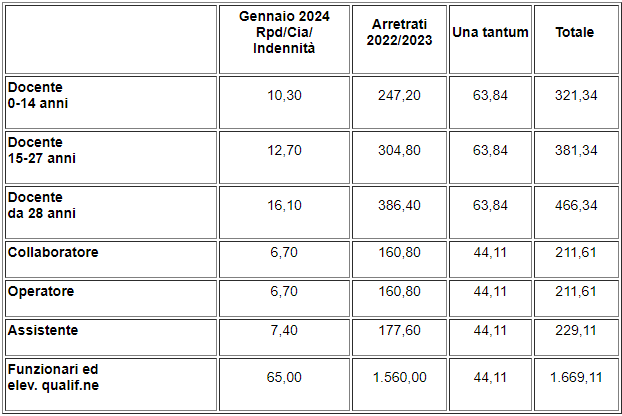
- Contract Renewals or Adjustments: If a new national contract (CCNL) has been ratified and its financial effects are implemented in March, teachers might see an increase or receive arrears for previous months.
- One-off Bonuses or Arrears: Occasionally, the government might authorize one-off payments or adjustments for specific categories of public employees, which could appear in a specific month's payslip.
- Changes in Teaching Load or Responsibilities: Any changes in additional roles, such as coordinator positions, or significant shifts in teaching hours could alter the gross "stipendio docenti marzo."
- Recovery of Undue Payments: Conversely, if an overpayment was made in a previous month, a deduction might appear in March.
Navigating the Nuances: Tips for Teachers and Interested Parties
For teachers in Italy, understanding their "stipendio docenti marzo" (or any month's salary) is an ongoing responsibility. For those outside the system, accurate research requires diligence.Understanding Your Payslip (Busta Paga)
The Italian payslip (busta paga) is a detailed document. Key sections to look for include:- Dati anagrafici: Personal data and employment details.
- Competenze: This section lists all gross earnings, including base salary, seniority increases, and any specific indemnities. This is where you'd find the core of your "stipendio docenti marzo."
- Ritenute: Details all deductions, including social security contributions (INPS) and income tax (IRPEF), often broken down by regional and municipal taxes.
- Trattamento di fine rapporto (TFR) / Trattamento di fine servizio (TFS): Information related to severance pay.
- Netto in busta: The final net amount received.
Staying Informed and Advocating
To ensure you have the most accurate and up-to-date information regarding "stipendio docenti marzo" and beyond, practical steps are essential:
- Regularly Consult NoiPA: For individual teachers, the NoiPA portal is the definitive source for their own payslips.
- Engage with Union Representatives: Teachers' unions offer unparalleled support, clarification, and advocacy. They can interpret complex contractual language and explain specific payments or deductions.
- Follow Official Ministry Announcements: Keep an eye on the MIM's official website for national directives that might impact salaries.
- Read Specialized Educational News: Reputable online platforms provide timely updates and analysis on changes affecting the teaching profession, including financial aspects.